
Stanford Energy System Innovations (SESI)
A campus-scale energy rebuild: 155 buildings, 22 miles of new piping, a fossil-CHP plant replaced by electric heat recovery — delivering 10+ years of measured results.
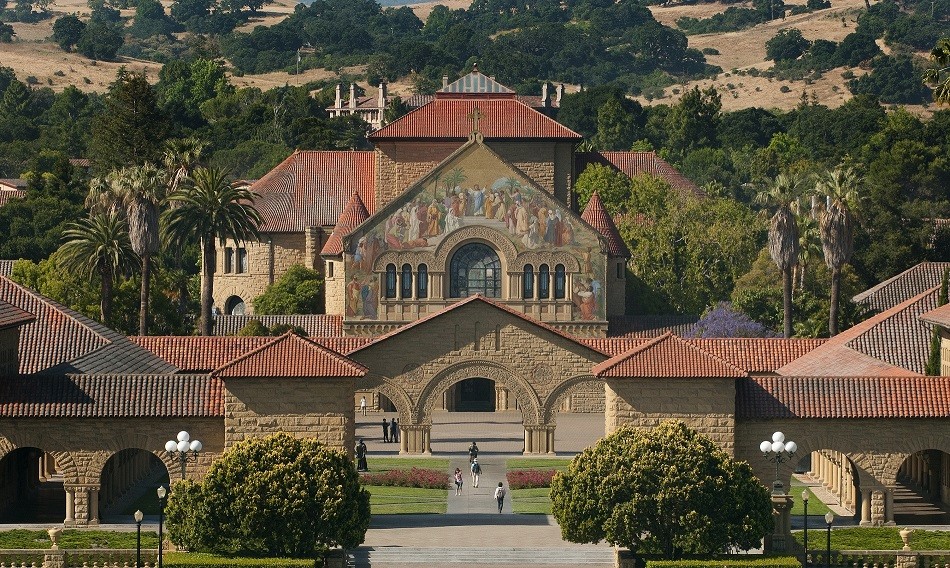
Stanford's campus had run on a 100% fossil-fueled combined heat and power plant for decades — paired with steam distribution to 155 buildings. The system worked. It also locked the university into emissions, water draw, and capital structures incompatible with its long-term commitments. SESI replaced it.
A $438M, multi-year rebuild of Stanford's campus energy infrastructure. Live since April 2015. The numbers in this case are not engineering forecasts — they are a decade of measured operating data.
The challenge
Stanford was running 1980s-era infrastructure for 21st-century commitments. The mismatch wasn't subtle.
100% fossil-fueled CHP plant + aging steam network
155 buildings dependent on steam intake
Active research labs, a teaching hospital, residential housing — all 24/7
Long-term sustainability targets impossible under existing system
Our solution
The replacement was not a retrofit — it was a redesign. A new Central Energy Facility built around heat recovery chillers, captured the daily overlap between campus heating and cooling demand to drive both from a single thermal pool. Steam was replaced with 22 miles of European-standard low-loss hot water piping. 12 million gallons of thermal storage were added to shift load against peak electricity rates. 155 building mechanical systems were converted floor-by-floor over three years — without taking the campus offline.
Electric heat recovery chillers replacing fossil-CHP
22 miles of EN253-standard low-loss hot water pipe
12M gallons of hot + chilled water thermal storage for peak load shifting
155-building phased conversion — campus operational throughout
The campus that once ran on a steam network and a gas-fired CHP plant now meets 88% of its heating load from recovered energy, cut emissions 81% from peak, and achieved 100% renewable electricity in 2022. Three years ahead of target. Over the system's 35-year useful life, $420M in projected savings vs the business-as-usual case. Live since 2015 — these are operating results, not models.
$520M
Projected 35-Year Recovery
68–81%
GHG Emissions Reduction
17%
Peak Energy Demand Reduction
18%
Water Consumption Reduction